The Ultimate Guide to Saint Lucia: Paradise Found in the Caribbean
There's a moment — usually right after the plane banks sharply over the lush green mountains and you catch your first glimpse of the twin Pitons rising from the sea — when you realise Saint Lucia isn't just another Caribbean island. It's something else entirely.
Tucked between Martinique and Saint Vincent in the eastern Caribbean, this volcanic island packs an extraordinary amount of beauty, culture, and adventure into just 238 square miles. Whether you're chasing waterfalls, diving coral reefs, or dancing barefoot at a Friday night street party, Saint Lucia has a way of getting under your skin and never quite letting go.
Here's your complete guide to making the most of this remarkable island.
The Pitons: Saint Lucia's Iconic Twin Peaks
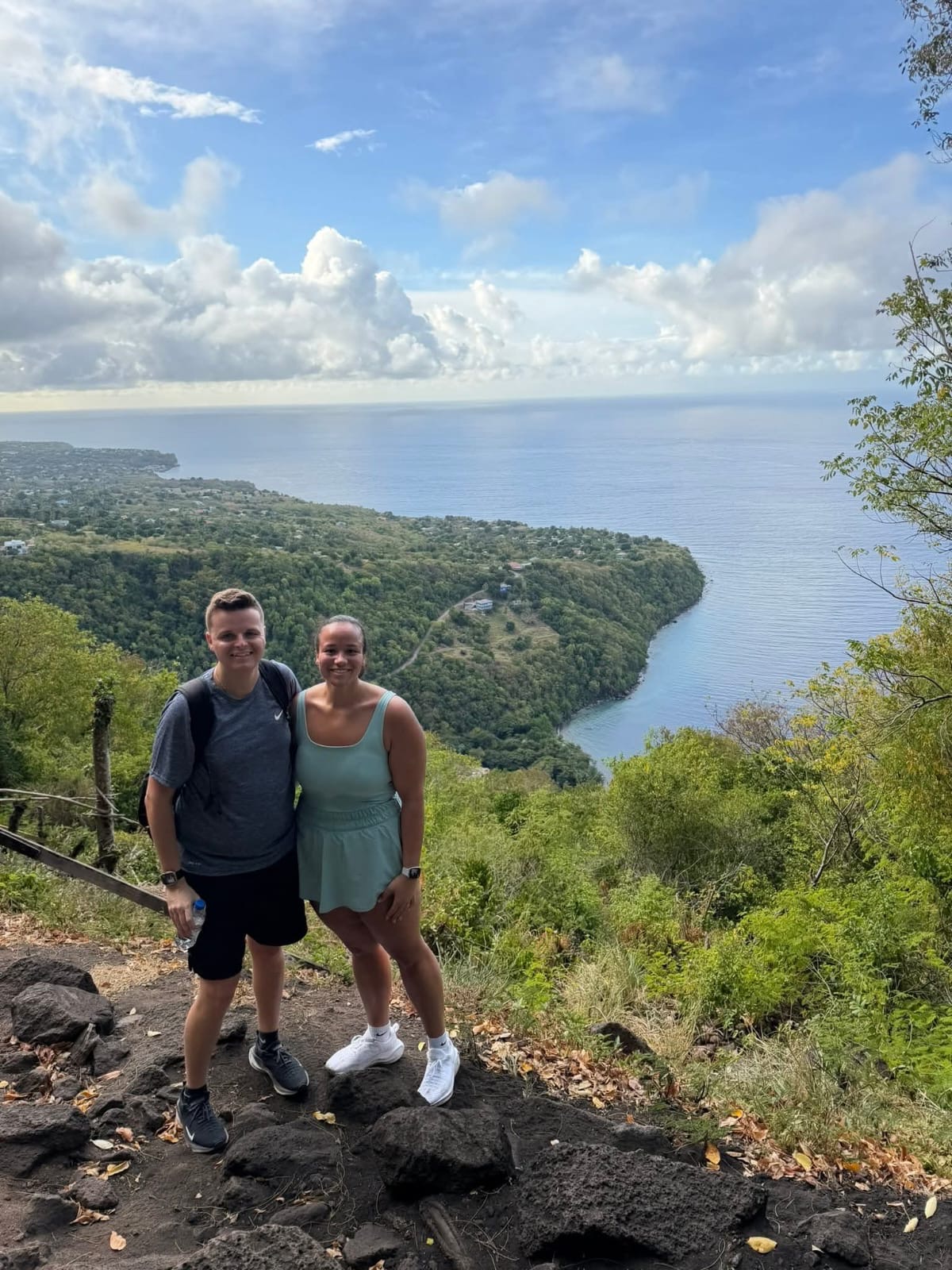
No trip to Saint Lucia is complete without seeing the Pitons — and ideally, climbing one. These two volcanic spires, Gros Piton (2,619 ft) and Petit Piton (2,438 ft), are UNESCO World Heritage Sites and the undisputed icons of the island.
The Gros Piton hike is the more popular of the two, and with good reason. It's challenging but accessible to most fitness levels, taking roughly 4-5 hours round trip with a local guide (required by law). The trail winds through tropical forest alive with birdsong, past ancient volcanic rock formations, and through clouds of butterflies. At the summit, the panoramic views are genuinely breathtaking — you can see as far as Martinique on a clear day.
Pro tip: Start early. The morning light is magical, the temperature is cooler, and you'll have the trail more to yourself. Bring at least 2 litres of water and wear proper hiking shoes — the final stretch involves some scrambling over roots and rock.
Chocolate: Saint Lucia's Sweetest Secret

Saint Lucia has been growing cacao since the 18th century, and in recent years, the island has emerged as one of the Caribbean's premier chocolate destinations. The rich volcanic soil and tropical climate create ideal growing conditions, producing beans with complex, fruity flavour profiles that chocolatiers around the world covet.
A chocolate-making tour takes you from tree to bar — literally. You'll walk through cacao groves, crack open pods to taste the fresh pulp (it's nothing like chocolate yet — more like a tropical fruit), then learn the traditional fermentation, drying, roasting, and grinding process. The highlight? Making your own chocolate bar from scratch.
Pair it with a rum tasting for the full Saint Lucian experience. The island's distilleries produce excellent aged rums that complement the dark chocolate beautifully.
The Sulphur Springs: The World's Only Drive-In Volcano
Yes, you read that correctly. Near Soufrière, you can literally drive into a volcanic crater. The Sulphur Springs are the Caribbean's most active geothermal area, and while the volcano last erupted in the 1700s, it's still very much alive — the ground hisses with steam vents, bubbling pools of grey mud reach temperatures above 170°C, and the distinct (and honestly, quite pungent) smell of sulphur hangs in the air.
The real draw here is the volcanic mud baths just below the springs. Locals and visitors alike slather themselves in the warm, mineral-rich mud — it's wonderfully messy and supposedly incredible for your skin. After the mud dries, you rinse off in the warm mineral pools. Whether or not it takes ten years off your appearance is debatable, but you'll certainly feel rejuvenated.
Friday Night in Gros Islet: The Street Party
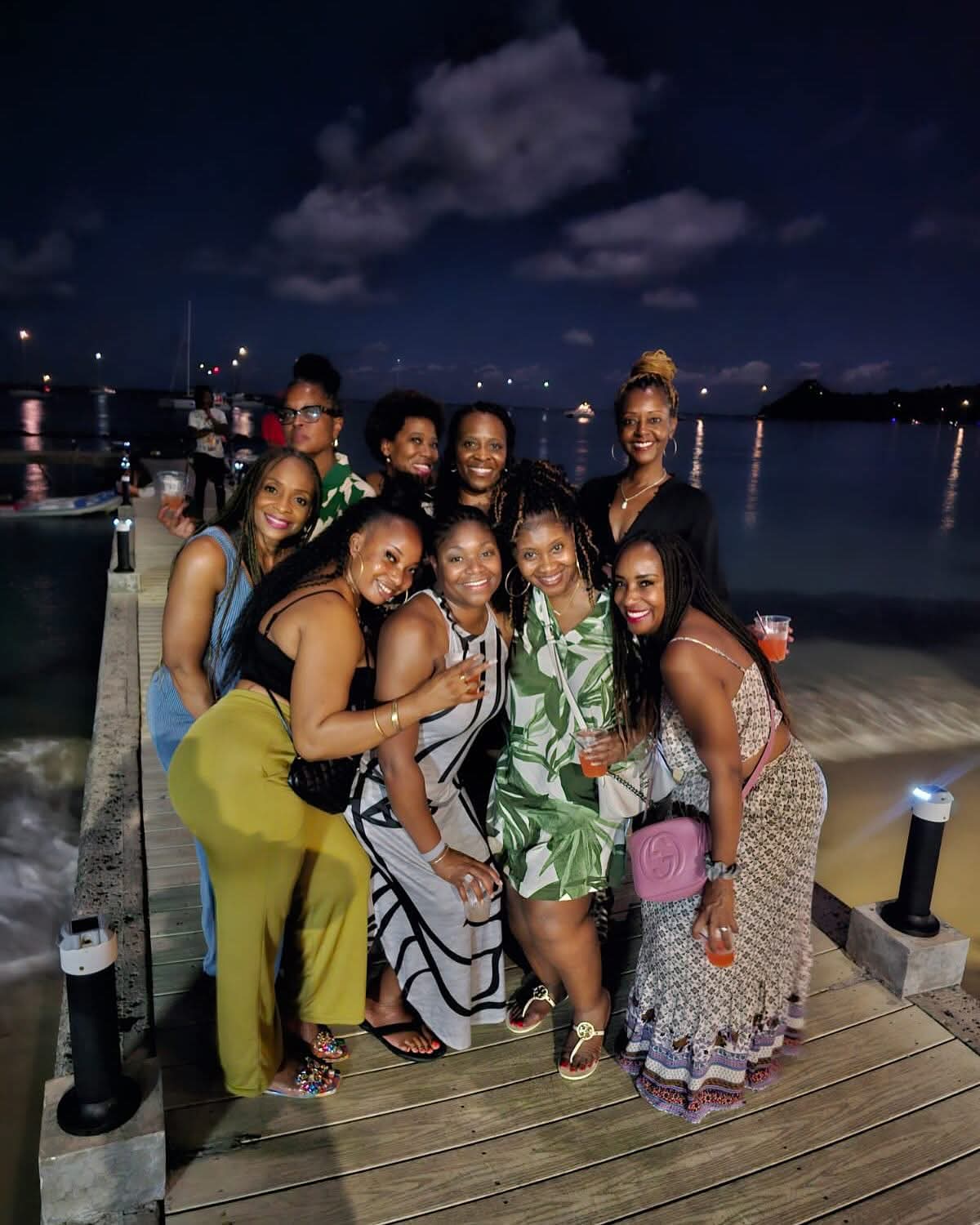
Every Friday night, the small fishing village of Gros Islet transforms into the island's biggest party. Barbecue grills line the streets, enormous speakers pump out soca, reggae, and dancehall, and the entire community — plus a healthy mix of visitors — comes together for what might be the most authentic Caribbean experience you can have.
This isn't a tourist-manufactured event. The Gros Islet jump-up has been running for decades and remains firmly rooted in local culture. You'll eat freshly grilled lobster, chicken, and fish right on the street for a fraction of restaurant prices. The beer is cold, the rum punch is strong, and the dancing is infectious. Even the most reserved visitors find themselves moving to the music by the second drink.
What to know: Things get going around 9 PM and run until the early hours. Keep your valuables secure, bring cash (EC dollars or US dollars), and wear comfortable shoes — you'll be on your feet.
On the Water: Fishing, Sailing, and Snorkelling

Saint Lucia's waters are as spectacular as its mountains. The island sits along the edge of a deep oceanic shelf, which means world-class deep-sea fishing is just a short boat ride offshore. Blue marlin, wahoo, mahi-mahi, and yellowfin tuna are all regular catches, with peak season running from December through June.
For something more relaxed, bottom fishing along the coast is a wonderful way to spend a morning — you'll likely catch snapper and other reef fish while taking in the island's dramatic coastline from the water.
Snorkelling and diving are equally rewarding. The marine reserves around Anse Chastanet and the Pitons offer pristine coral gardens, sea turtles, and kaleidoscopic tropical fish. The warm, clear Caribbean waters maintain visibility of 60-100 feet year-round.
Adventure on Land: ATVs and Zip Lines
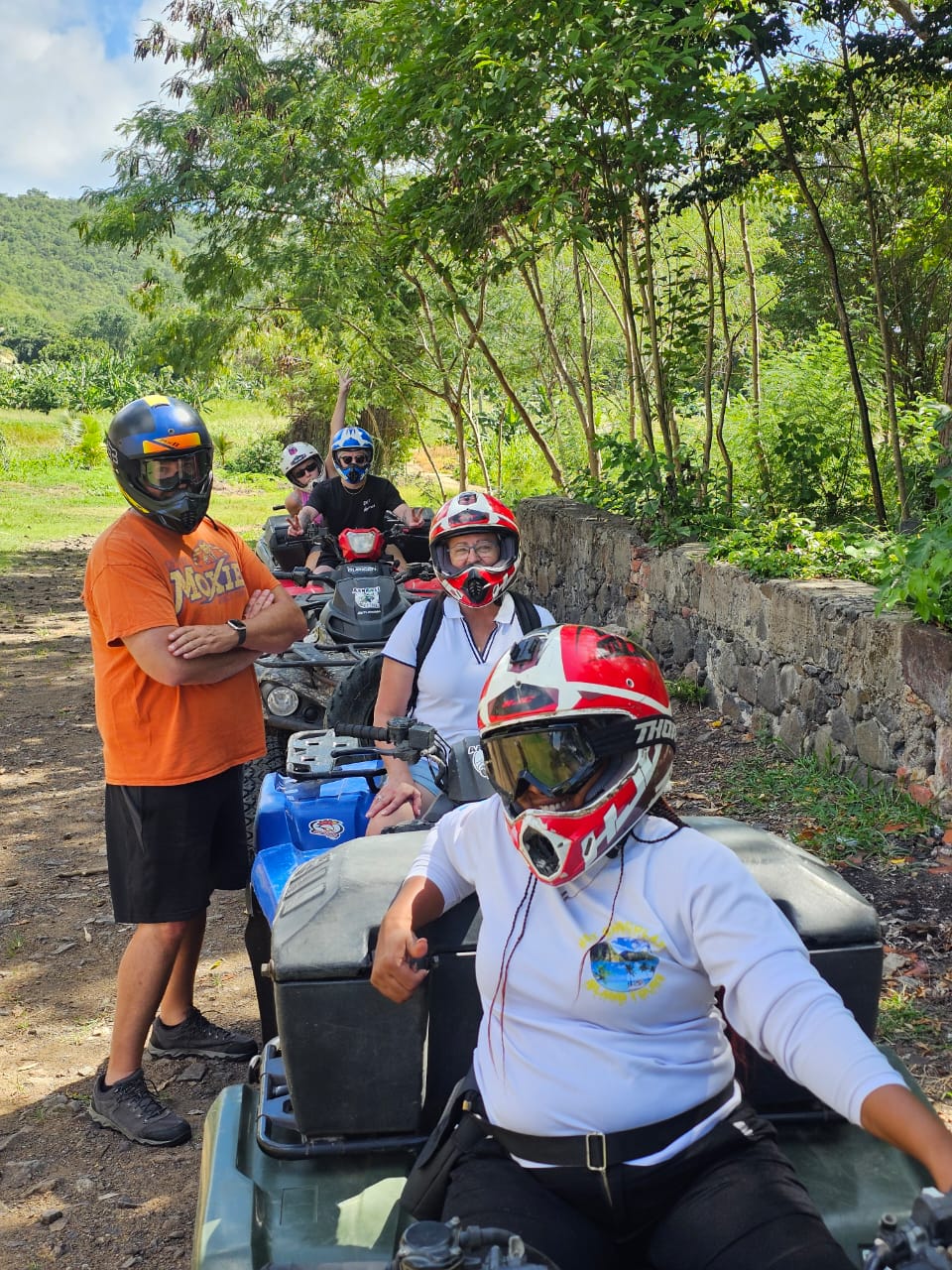
If you're the type who'd rather see the island at speed, Saint Lucia delivers. ATV tours take you through the island's rugged interior — banana plantations, coconut groves, muddy trails through the rainforest, and up to viewpoints that most visitors never see. It's exhilarating, a bit muddy, and absolutely brilliant.
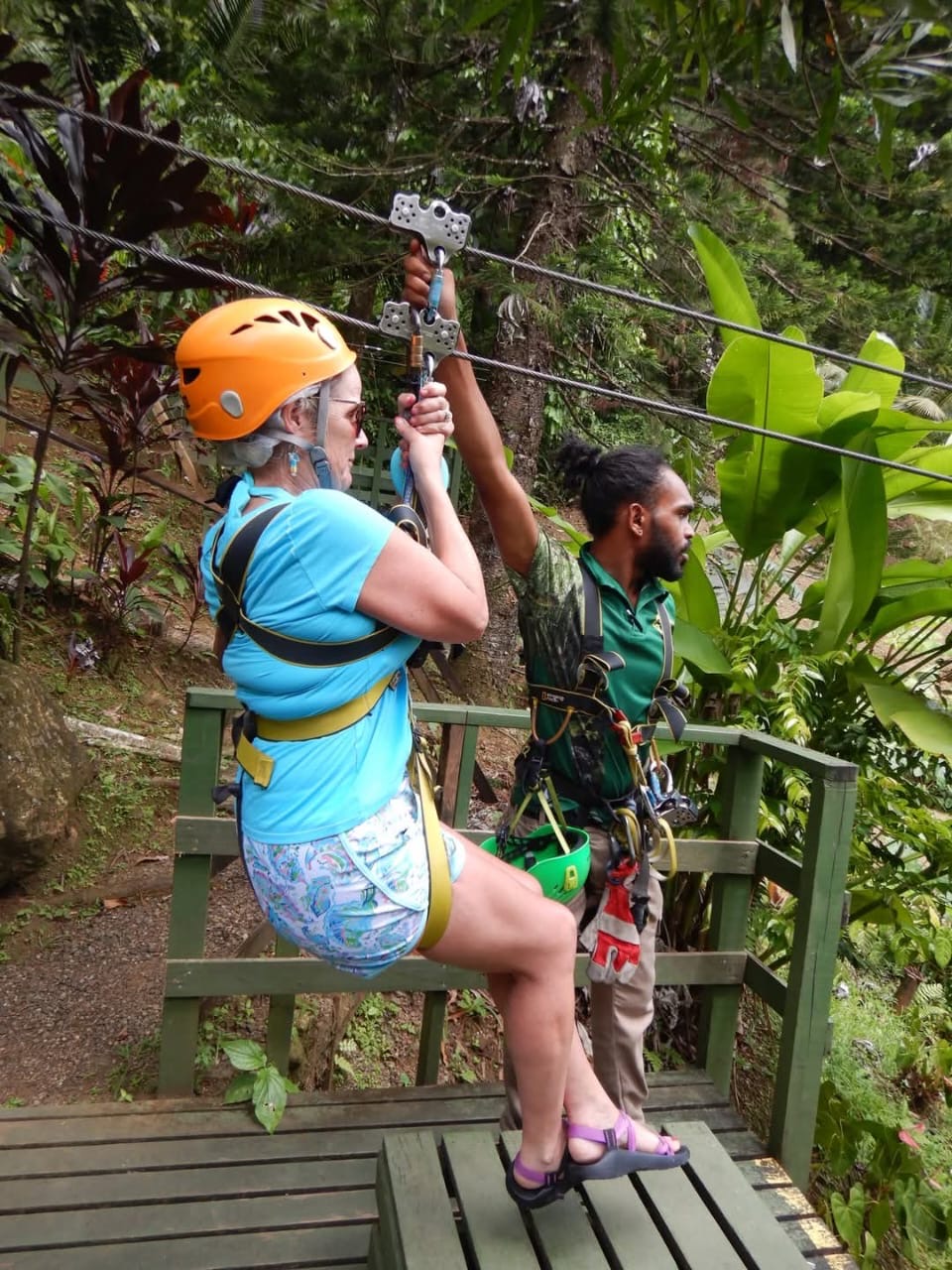
The rainforest zip line experiences are equally thrilling. Multiple platforms strung high in the forest canopy give you a bird's-eye view of the island as you fly between ancient trees. It's the kind of thing that makes you feel genuinely alive — wind in your face, the canopy stretching out below, and nothing but green in every direction.
Horseback Riding at Pigeon Point
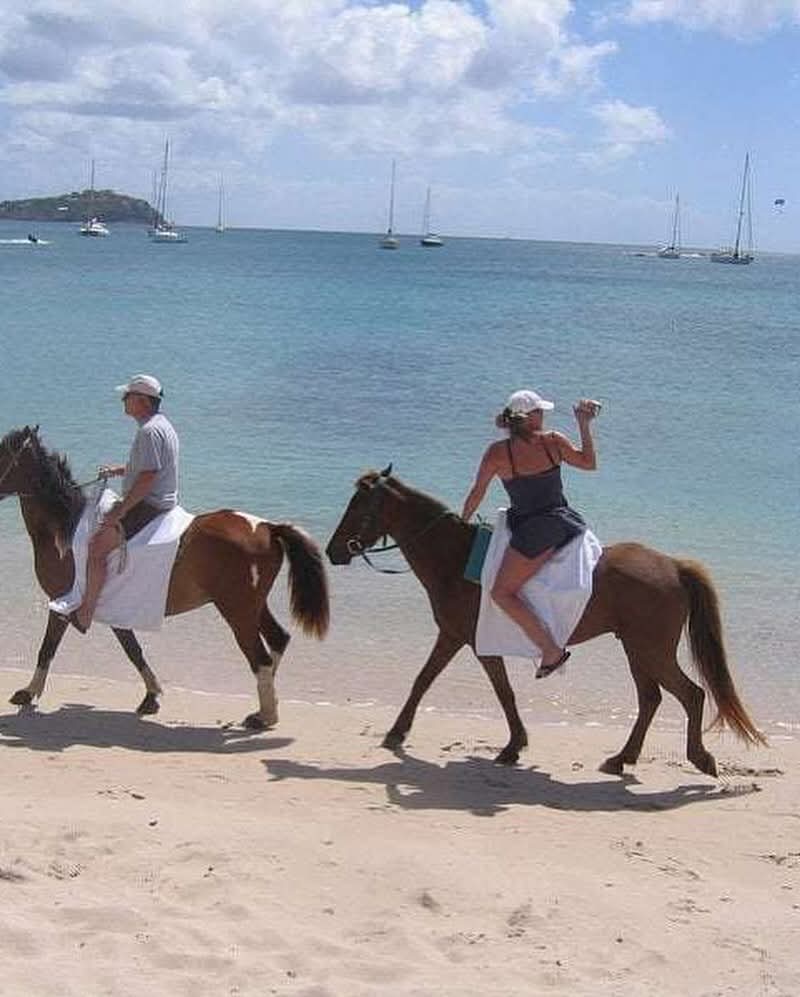
There's something timelessly romantic about riding a horse along a Caribbean beach, and the horseback ride at Pigeon Point is one of Saint Lucia's most beloved experiences. The trail takes you through quiet countryside, past historic ruins of old sugar plantations, and down onto the sand where — depending on the tour — you might ride right into the warm shallows. Suitable for beginners and experienced riders alike.
When to Visit
Saint Lucia is a year-round destination, but here's the nuance:
- December – April (dry season): Peak season. Sunny, lower humidity, minimal rain. Ideal for hiking and beach days. Expect higher prices and busier attractions.
- May – June: Shoulder season. Still gorgeous weather, fewer crowds, better rates. Many locals consider this the best time to visit.
- July – November (wet season): Warmer, more humid, with afternoon rain showers that usually clear quickly. Lush, green landscapes and the lowest prices. Hurricane season runs June–November, though direct hits are rare.
The island averages 27-30°C (80-86°F) year-round, and the water temperature stays around 26-28°C — so really, there's no bad time to come.
Getting Around
Saint Lucia has two airports: Hewanorra International (UVF) in the south, which handles most international flights, and George F.L. Charles Airport (GFL/SLU) in the north near Castries, used mainly for inter-island hops.
If you're flying into Hewanorra and staying in the north (Rodney Bay, Gros Islet), the transfer is about 90 minutes — but it's a stunning drive through the mountains. Airport transfer services make the journey comfortable and give you your first taste of the island's incredible scenery.
For getting around, a mix of guided tours and taxi is the most practical approach. The roads are winding and narrow (they drive on the left), so unless you're confident with mountain driving, a local guide or driver is the way to go — and they'll share stories and knowledge you'd never find in a guidebook.
The Bottom Line
Saint Lucia isn't the Caribbean you see in generic travel brochures. It's wilder, more dramatic, more culturally rich, and more genuinely surprising. It's the kind of place where you hike a volcano in the morning, make chocolate in the afternoon, and dance in the street at night.
Come for the Pitons. Stay for everything else.
Ready to experience Saint Lucia? Browse our tours or get in touch and we'll help plan your perfect island adventure.
